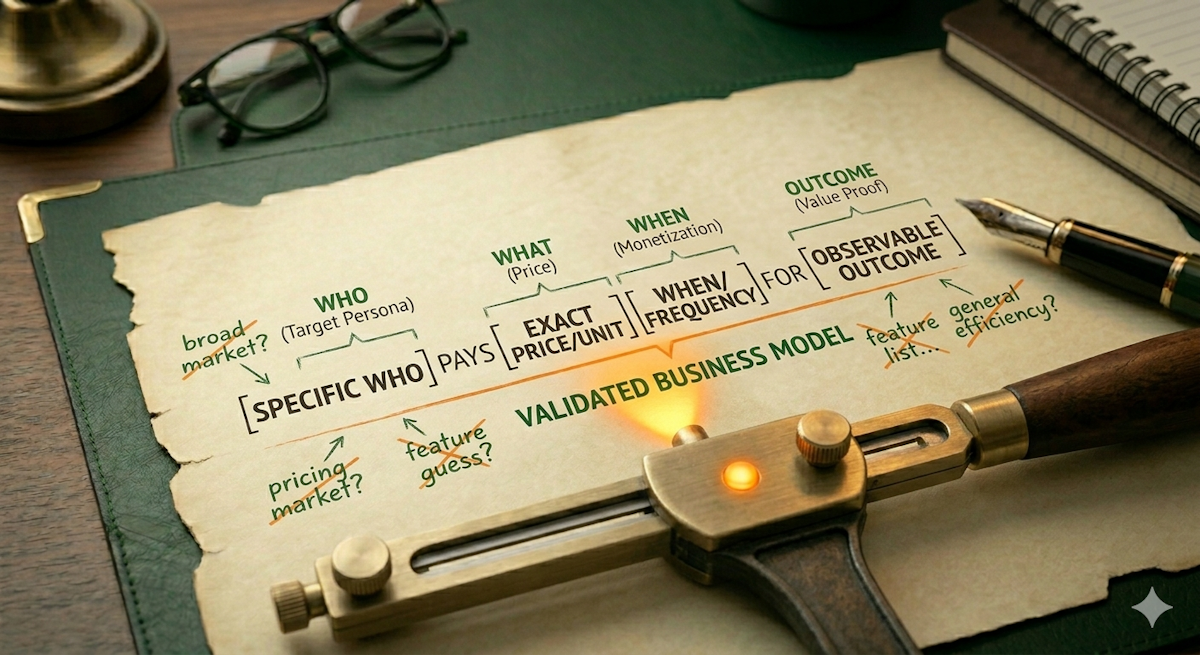
The Elevator Pitch Template: How to Write, Test, and Use Your One-Line Business Model
Most founders can describe their business model. Very few can describe it in one sentence.That gap is not a communication problem. It is a clarity problem. And it shows up everywhere: in pricing conv...
Read More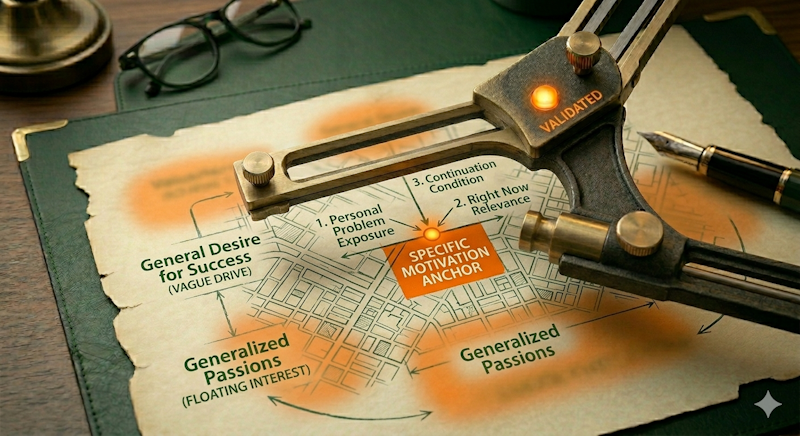
Why Startups Fail: The Founder Motivation Problem No One Talks About
Most founders are motivated. That is not the problem.The problem is that most founders cannot describe their motivation specifically enough to sustain it when the conditions that test it most finally...
Read More
Skills Needed to Start a Business: How to Find the Gap Slowing You Down
Most founders know they have gaps.What they do not know is which one is actually limiting their progress right now.That distinction matters more than most founders realize until they have spent six m...
Read More
Customer Validation: Interview Questions That Actually Work
Most founders approach customer interviews as a sales pitch in disguise. They walk into the room with a vision, seek validation, and (unsurprising to anyone familiar with cognitive psychology) they f...
Read More
Customer Segmentation Strategy: What a Target Market Actually Is and Why Yours Is Probably Too Broad
Most founders can tell you who their target market is. They say something like "small business owners" or "busy professionals" or "anyone who needs help with X." They say it with confidence. They hav...
Read More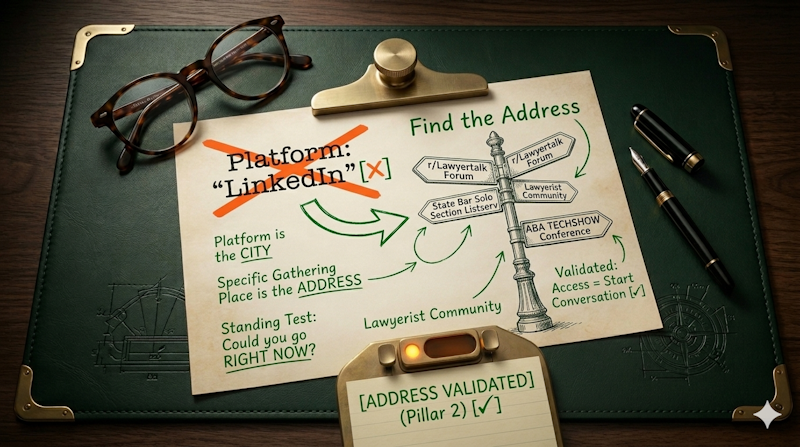
How to Find Customers: Where Is Your Customer Right Now?
Most founders can tell you who their customer is. They have done the work. They can name the role, the context, the version of the problem the customer feels.Ask them where that customer is, and the ...
Read More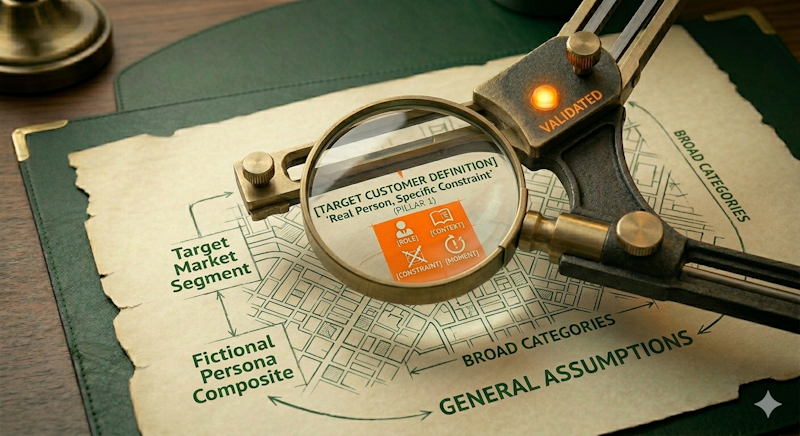
Ideal Customer Profile: How to Find and Validate the Right Customer
Most founders think they know who their customer is.Ask them directly and they will say something like "small business owners," "busy professionals," or "founders who need help with X." They say it w...
Read More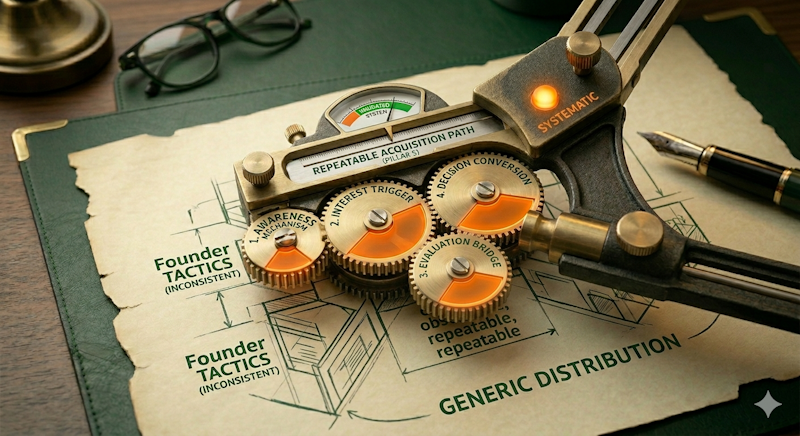
How to Build a Customer Acquisition Strategy That Scales
Most founders are acquiring customers. Very few are doing it systematically, with a customer acquisition strategy they could actual describe out loud. That distinction does not matter much in the ear...
Read More
The Business Startup Checklist: A Startup Readiness Guide
A Structured Way to Evaluate Your Startup Before You Move ForwardMost startup checklists focus on tasks.This one evaluates readiness.Because early-stage startups rarely fail from lack of activity; th...
Read More